Middle School
Classical Greek Paideia, Socratic Seminar and depth of study allow scholars to build the academic rigor and independence required for later success.

Inspired by ancient Greek paideia, the A. Fantis middle school curriculum is carefully structured to offer meaningful content centered around the development of broad, enlightened outlook. The Socratic Seminar, a critical component of paideia, fully flourishes as students tackle increasingly complex texts, enhanced through student-led discussions and analysis. Students engage in meaningful, project-based studies. English and history combine in Humanities, as do science and math in the STEM course. Hellenic Studies is an interdisciplinary approach where students explore The Odyssey and ancient Greek technology.
The Fantis Difference

.jpg)


We decided to become a member of National Junior Honor Society because of our commitment to values beyond academic achievement. Service, leadership, character and citizenship are foundational components that we foster in our middle schoolers. Indeed, it will be all of these values that will guide them in their further studies and to be active members and leaders in their community.
Middle School Curriculum
English
Fantis graduates enter high school as critical readers, compelling writers, skillful speakers, and careful listeners. The Socratic Seminar flourishes here, emphasizing the power of asking questions, prioritizing inquiry over information, and discussion over debate. Faculty work closely to sequence a curriculum that exposes students to the vast treasures of English literature, poetry, and nonfiction works—from Beowulf and Frankenstein to Fahrenheit 451 and I Am Malala. Coursework and classroom discourse serve as vehicles for deep thought, careful reflection, and critical dialogue. Perhaps the most important skill our graduates can possess is the art of the written word. Through poetry, narrative, persuasive and expository texts, students learn the power of expressing themselves cogently in various mediums. In lieu of a final, Fantis 8th graders complete the English Regents, a high school exam that provides them course credit.
History
Inquiry remains at the heart of our history curriculum, which encompasses civics, geography and economics. Students learn to decipher and analyze myriad stories from all corners of our world and different epochs. They learn to use facts and details in order to compose deep and enduring understandings of key concepts and skills across disciplines. The study of history is a natural platform for integration of other core subjects, including English, Religion, and the Arts. Primary source analysis, thorough research, compelling field trips and civic engagement with the community bring the curriculum to life and prepare our graduates for college, career and civic life. In lieu of a final, Fantis 8th graders can complete the US History & Government Framework Regents, a high school exam that provides them course credit.
Mathematics
Students at Fantis grow to appreciate the study of mathematics as a way of thinking and expression. Interdisciplinary projects help students use math in applied settings and see its manifestation in science, art, music, and the world around them. Lessons are intentionally organized to leverage connections between concepts—progressing understanding to more sophisticated concepts. Equally as important are mathematical practices—such as making sense of problems, perseverance, constructing viable arguments and critiquing the reasoning of others—which not only improve math but translate easily across disciplines. In lieu of a final, Fantis 8th graders complete the Algebra I Regents in June, a high school exam that provides them course credit.
Science
“The art of teaching is the art of teaching to discover.”—Mark Van Doren
Firsthand exploration of phenomena through active investigations is at the heart of our science curriculum. The best way for students to achieve scientific literacy and appreciation is to actively participate in their own investigations and analyses. Students engage with real-world issues, empowering them to act as scientists and engineers to figure out the world around them. From chemistry to physics and ecosystems, the sequence of investigations builds an understanding of key concepts and practices in science and engineering. Teachers facilitate the use of central texts, media, and other resources through reading, writing, integrated technology, museums, and outdoor exploration to further student understanding. In lieu of a final, Fantis 8th graders complete the Living Environment Regents in June, a high school exam that provides them course credit.
Greek Language, History & Philosophy
From Socrates in the 6th grade to Diogenes and the origins of Ancient Greek Cynicism in 8th, rapidly maturing student minds and cognition demand more meaningful study in the middle school years. A collaboration between the middle school and Hellenic Studies department guides students through a carefully planned sequence of study that challenges their thinking and deepens their understanding.
The Greek Drama Program gives all middle school students the chance to perform on stage, speak Greek actively and learn about Hellenic authors and their plays, while having tremendous fun. Past performances have included “The Odyssey” by Homer and “Lysistrata” by Aristophanes, which were both adapted for middle school students.
Fantis graduates can reach Level B1 of the CEFR, meaning they are independent users who can communicate in most situations, including leisure, travel and work. As they progress, students take the Greek language certification examinations throughout middle school at various levels. 8th-grade students may participate in the Greek Regents examination, which will provide high school credit.
Visual and Performing Arts
Dance, drama, and music play an important role in the experience of Fantis Middle School students. The importance of the arts have played a central role in education since Classical Greece and they are critical component in Paideia—a teaching philosophy focused on the whole child. All middle school students participate in weekly Choir and Music classes, which also explores history and theory. Electives include musical theater and the ACC Choir, which performs at sites throughout the year. Students can further their passion with private lessons after-school in piano, voice, and guitar—with some graduates continuing their studies at performing arts high schools, such as LaGuardia vocal and instrumental music programs. We believe that arts education can push the boundaries of our students’ thinking and inspire them to gain a deeper appreciation of the world around them.
Learning Support & Enrichment
With an average class size under 20 students, our faculty grow to understand each student as a unique individual. This understanding is further developed through the use of benchmark assessments given at key points during the year, which paint a detailed portrait of every student’s academic progress. In order to meet the demands of our advanced curriculum and hit rigorous grade level benchmarks, each teacher works within their department and in collaboration with our school counselor, special education coordinator and assistant principal. Over the school year, this team analyzes the results to create individualized support plans for students if they are below grade level or, more commonly, enrichment plans for students above grade level. We also support families with tools that will help students manage their learning independently. In partnership with families, our faculty and staff strive to ensure that each child achieves his/her fullest potential.
Social Emotional learning
“Educating the mind without educating the heart is no education at all.” — Aristotle
Relationships are at the core of a successful learning community. A. Fantis students learn to foster warm and caring relationships staff, families and each other. This is possible under the guidance of our school counselor, who coordinates the implementation of our social-emotional learning (SEL) curriculum. Key components of this program include:
- Daily advisory meetings with a homeroom teacher
- Topics range from responsible social media usage, conflict resolution strategies, and peer pressure
- Weekly one-on-one conferences with faculty and staff
- K-8 Classroom Buddy Program, where middle school students partner and mentor younger classmates every month.
- Service learning includes Middle School Book Buddies and other volunteer events
Students develop the skills and dispositions needed to interact positively and constructively with others by building caring relationships, direct instruction of social skills, and establishing a calm and positive learning environment.
Experiential Learning
Classroom NYC is our commitment to ensuring that every student in every grade goes out to explore the world every month. The goal is to make school more meaningful and enriching by having students learn in more authentic environments. New York City offers a wealth of enriching, memorable experiences for students that will enhance their learning—from the Met Museum and BAM to Billion Oyster Project in Governor’s Island. Classroom NYC becomes more sophisticated in middle school, with highlights including the overnight camping trip upstate in an environmental science center and of course, the senior trip to Greece. Another opportunity is our Cultural Exchange Program, which connects Fantis students with partner schools in Greece. This can include working on collaborative projects or establishing Pen Pals via letters and vlogs. There is indeed a fascinating world to explore outside these four walls, and it is our commitment to ensure our students take advantage of it.
Middle School Life
Student Council
Middle School Clubs
Athletics
Classroom NYC
National Junior Honor Society
Fantis Students


Meet our team
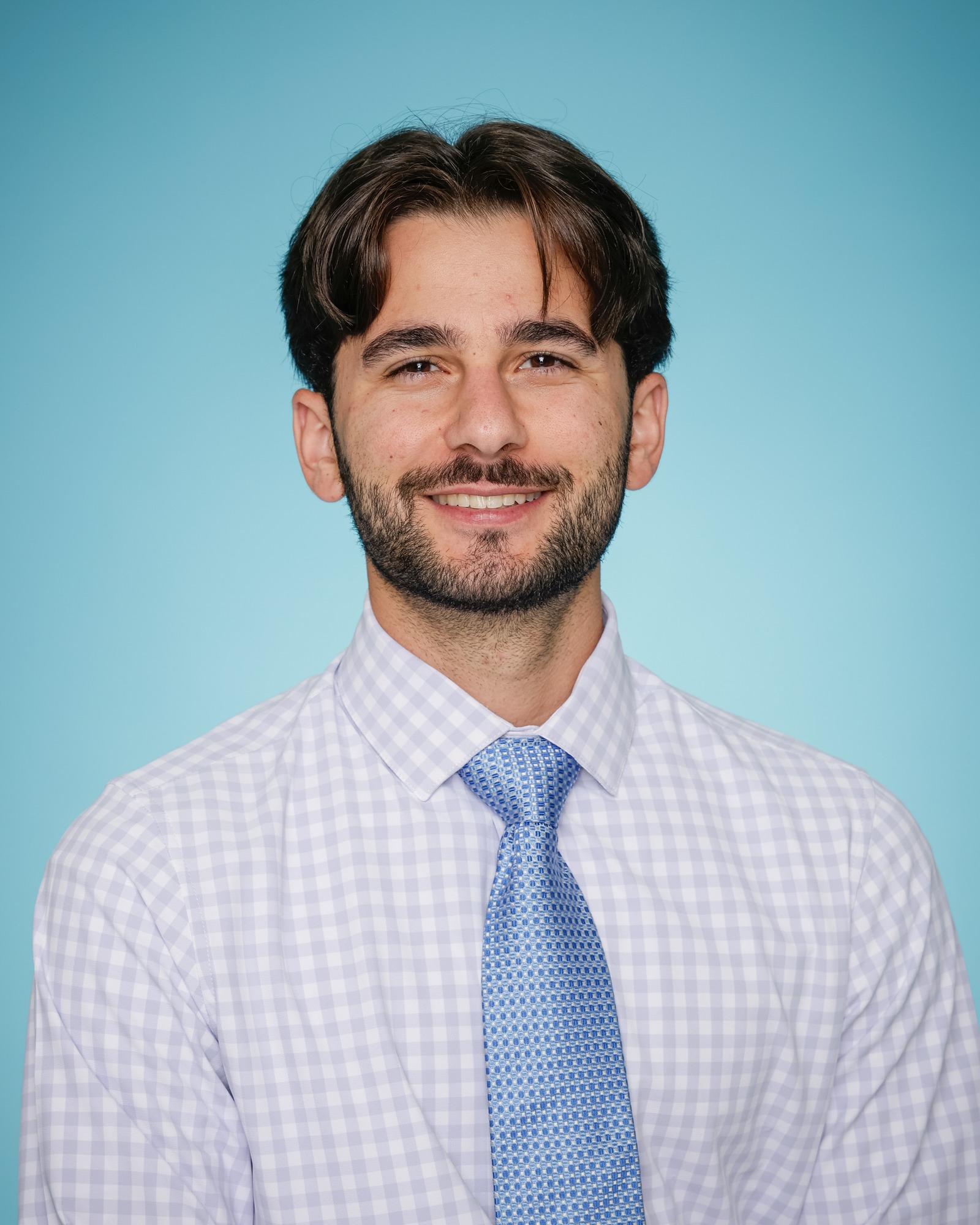
John Sayfie
english@afantis.org
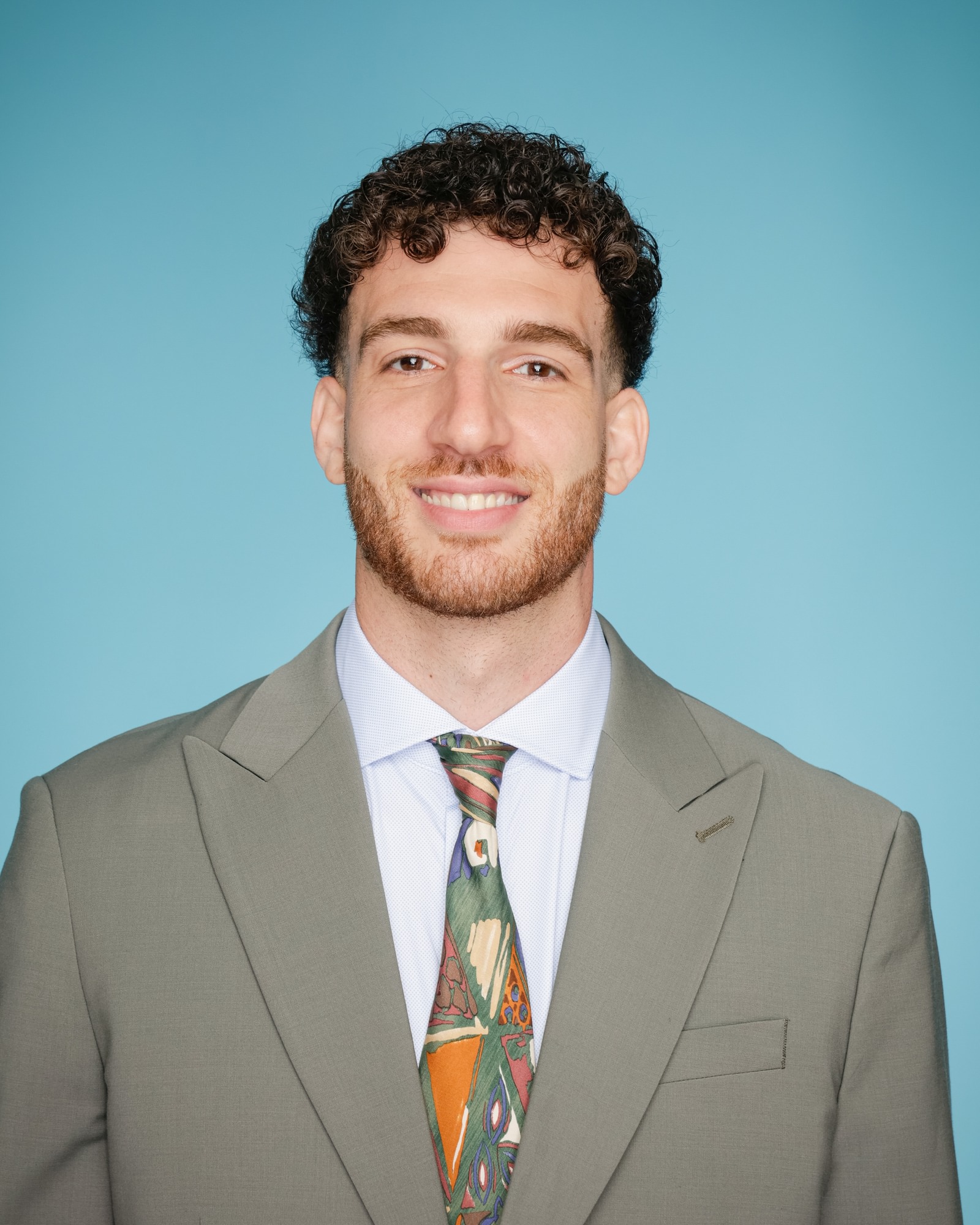
John Papadimitriou
science@afantis.org

William Mound
history@afantis.org

Patrice Davis
math@afantis.org

Merkourios Moschovis
pe@afantis.org

Evangelos Chaziroglou
advancedgreek@afantis.org

Theo Alvanos
music@afantis.org

Despoina Patsialidou
Chaeli Quitzau
art@afantis.org

Why learn Greek?


Ready to Apply?